Endangered Species - It`s Not Just Tigers
U sklopu međunarodnog projekta „Endangered species-it’s not just tigers! Bridges of Biodiversity“ (Mostovi bioraznolikosti), učenici Osnovne škole Dragutina Tadijanovića iz Vukovara udružili su snage sa svojim vršnjacima iz škole Falinge Park High School u Rochdaleu, Velika Britanija. Projekt okuplja učenike s ciljem istraživanja biljnog i životinjskog svijeta, s posebnim naglaskom na zaštićene i ugrožene vrste u školskom okolišu. Ciljevi projekta uključuju: promicanje svijesti o lokalnoj bioraznolikosti, usporedbu bioraznolikosti između Hrvatske i Ujedinjenog Kraljevstva, razmjenu znanja, iskustava i ideja, te poticanje međunarodne suradnje među učenicima. Projekt se provodi kroz terenski rad, promatranje i fotografiranje životinja, bilježenje podataka o vrstama, mapiranje lokacija pomoću digitalnih alata i kamera. Učenici prate kretanje ptica, kukaca, vodozemaca i malih sisavaca te dokumentiraju promjene u školskom ekosustavu, s posebnim naglaskom na ugrožene i rijetke vrste. Aktivnosti uključuju i kreativne online radionice, izradu postera, digitalnih karata i video-prezentacija koje se razmjenjuju s partnerskom školom. Učenici su izrazili želju za osobnim susretom u Vukovaru, čime bi se dodatno ojačalo prijateljstvo i međukulturno razumijevanje. Projekt je primjer kako priroda može biti most koji povezuje zemlje, kulture i mlade ljude. Kroz ovakve inicijative, učenici postaju aktivni sudionici u očuvanju okoliša i graditelji održive budućnosti. Bioraznolikost ne poznaje granice – baš kao ni znanje i prijateljstvo!Suradnja između škola započela je povezivanjem nastavnica – Draženke Kovačević, Adrijane Kordić i Rose Edmondson, koje su se upoznale na festivalu Science on Stage u Finskoj, održanom u kolovozu 2024. godine.As part of the international project “Endangered Species – It’s Not Just Tigers! Bridges of Biodiversity”, students from Dragutin Tadijanović Primary School in Vukovar joined forces with their peers from Falinge Park High School in Rochdale, United Kingdom. The project brings together students with the goal of exploring plant and animal life, with a special focus on protected and endangered species in their school environments. The main objectives of the project include: raising awareness about local biodiversity,
comparing biodiversity between Croatia and the United Kingdom, exchanging knowledge, experiences, and ideas and encouraging international cooperation among students. The project is carried out through fieldwork, animal observation and photography, species data recording, and location mapping using digital tools and cameras. Students monitor the movement of birds, insects, amphibians, and small mammals, documenting changes in the school ecosystem, with special attention to rare and endangered species. Activities also include creative online workshops, the creation of posters, digital maps, and video presentations that are exchanged with the partner school. Students have expressed a desire to meet in person in Vukovar, which would further strengthen their friendship and intercultural understanding. This project is a great example of how nature can serve as a bridge that connects countries, cultures, and young people. Through such initiatives, students become active participants in environmental protection and builders of a sustainable future. Biodiversity knows no borders – just like knowledge and friendship!The collaboration between schools began through the connection of teachers Draženka Kovačević, Adrijana Kordić, and Rose Edmondson, who met at the Science on Stage festival held in Finland in August 2024.

Rose Edmondson
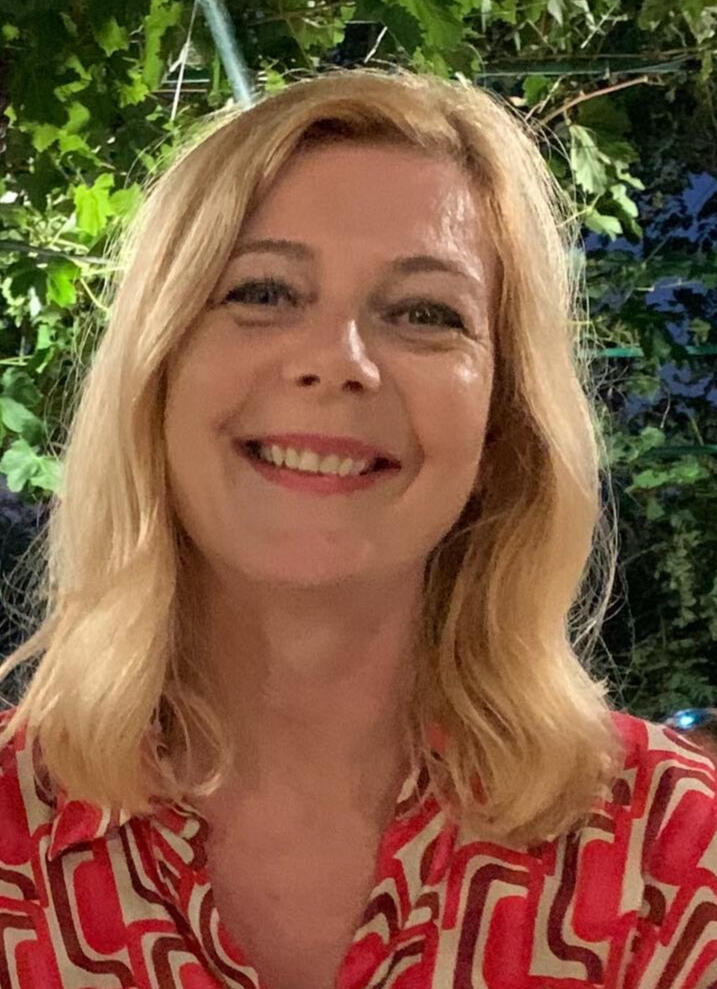
Draženka Kovačević

Adrijana Kordić

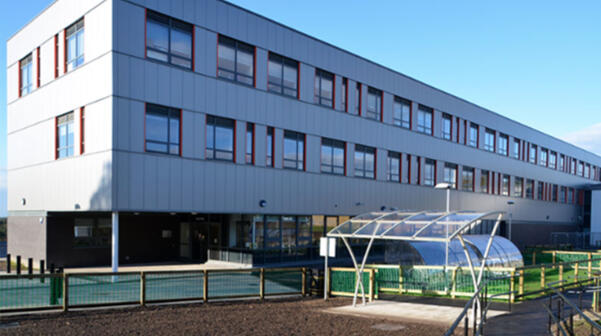
FALINGE PARK HIGH SCHOOL
Falinge Park High School is an 11-16 mixed comprehensive school in the Metropolitan Borough of Rochdale in Greater Manchester, United Kingdom. The school is part of Watergrove Trust and is located opposite Falinge Park which is a Grade II listed public park which was opened to the public in 1906 and lies in the historic grounds of the 18th century Falinge Hall. The area surrounding Falinge Park High School is residential, being just 1 mile northwest of the town centre. Falinge Park High School’s purpose is to secure the best possible academic and personal outcomes for all pupils and instil a life-long love of learning. The school has a strong commitment to working with the wider community and has been successful in a variety of projects including being winners of the OurEcho Challenge in 2023 and creating a successful national remembrance campaign titled ‘Forgotten Heroes’. Pupils are provided with numerous opportunities to collaborate with others and many have a passion for improving sustainability by taking on responsibility through pupil leadership. We are continually looking to develop methods to successfully improve our school and local environment by working closely with local MPs and other community groups.Srednja škola Falinge Park pohađaju učenici u dobi od 11 do 16 godina. Smještena je u metropolitanskoj općini Rochdale, u Velikom Manchesteru, Ujedinjenom Kraljevstvu, te djeluje u sklopu Watergrove Trusta. Nalazi se nasuprot parku Falinge, javnom parku otvorenom još 1906. godine, koji je zaštićen kao kulturno dobro i dio je povijesnog prostora iz 18. stoljeća uz Falinge Hall. Okružuje je mirno stambeno naselje, udaljeno svega kilometar od središta grada. Glavna zadaća škole je omogućiti učenicima što bolje obrazovne i osobne rezultate te u njima potaknuti trajnu ljubav prema učenju. Posebnu važnost pridajemo suradnji sa širom zajednicom, a učenici i nastavnici sudjelovali su u nizu uspješnih projekata – među kojima se ističe pobjeda na natjecanju OurEcho Challenge 2023. te nacionalna kampanja sjećanja Forgotten Heroes. Učenicima se pruža mnogo prilika za zajednički rad i razvoj voditeljskih vještina, a mnogi od njih pokazuju poseban interes za održivi razvoj i brigu o okolišu. Škola stalno radi na novim načinima kako bi unaprijedila svoje okruženje i život zajednice, u suradnji s lokalnim zastupnicima i društvenim udrugama.
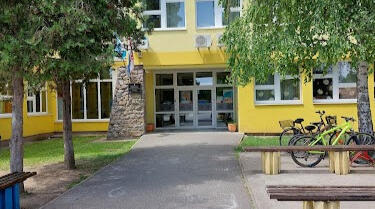
OSNOVNA ŠKOLA DRAGUTINA TADIJANOVIĆA
Osnovna škola Dragutina Tadijanovića nalazi se u Vukovaru te nosi ime jednog od najznačajnijih hrvatskih pjesnika. Škola je suvremeno opremljena i posvećena stvaranju poticajnog i sigurnog okruženja za učenike. Pored redovne nastave, škola nudi brojne izvannastavne aktivnosti, projekte i natjecanja kojima potiče kreativnost, timski rad i osobni razvoj učenika.Posebna pažnja pridaje se uključivanju novih tehnologija u nastavu, poticanju ekološke svijesti te njegovanju kulturne i jezične raznolikosti. Nastavni kadar škole predano radi na stvaranju kvalitetnog obrazovanja i odgoja, u duhu tolerancije i međusobnog poštovanja. Osnovna škola Dragutina Tadijanovića ponosno sudjeluje u brojnim lokalnim i međunarodnim projektima, čime učenicima pruža priliku da prošire svoje vidike i steknu dragocjena iskustva.Dragutin Tadijanović Primary School is located in Vukovar and is named after one of Croatia’s most prominent poets. The school is modernly equipped and dedicated to creating a supportive and safe environment for students. In addition to regular classes, it offers a variety of extracurricular activities, projects, and competitions that encourage creativity, teamwork, and personal development. Special attention is given to integrating new technologies into teaching, promoting environmental awareness, and fostering cultural and linguistic diversity. The school's teaching staff is committed to providing high-quality education and upbringing in a spirit of tolerance and mutual respect. Dragutin Tadijanović Primary School proudly participates in numerous local and international projects, offering students valuable opportunities to broaden their horizons and gain meaningful experiences.
THE PROJECT
The Spačva Basin is one of the most valuable natural areas in Croatia. Covering around 40,000 hectares in Vukovar-Srijem County, between the rivers Sava and Danube, it represents the largest and best-preserved lowland pedunculate oak (Quercus robur) forest complex in Europe. Due to its exceptional biodiversity, this area is included in the Natura 2000 network, the European system for the protection of endangered habitats and species.
At the same time, in Rochdale, Greater Manchester, the Falinge Park School has established a dedicated nature group of students aged 11–16. This group focuses on biodiversity in urban areas and works to raise awareness about endangered native species.
Our collaboration began after Science on Stage 2024, where the partnership between Osnovna škola Dragutina Tadijanovića in Vukovar and Falinge Park School in Rochdale was initiated. From this connection, a joint international project was created with the goal of:
• exploring local biodiversity in both countries,
• monitoring endangered species,
• fostering environmental awareness, and
• producing shared digital and educational outputs.
This partnership also included the exchange of equipment: the UK school sent a wildlife camera as a gift to the Croatian school, which is now used for monitoring species in natural habitats.Endangered Species Focus
Croatia (Spačva Basin and Adica Forest):
• Milvus migrans (black kite) – a bird of prey associated with wetlands.
• Ciconia nigra (black stork) – a rare and elusive bird nesting in old forests.
• Emys orbicularis (European pond turtle) – the only native freshwater turtle in Croatia, also kept for several years in a specially designed school pond in Vukovar before being returned to its natural habitat.
• Triturus dobrogicus (Danube crested newt) – an amphibian characteristic of Pannonian lowland waters.
• Bombina bombina (fire-bellied toad) – a small amphibian known for its bright belly.
• Haliaeetus albicilla (white-tailed eagle) – one of Europe’s largest birds of prey and a special focus species of the project.
• Carex vesicaria (bladder sedge) – a wetland plant vital for marshland ecosystems.
United Kingdom (Rochdale and Greater Manchester):
• Hedgehog (Erinaceus europaeus) – threatened by habitat fragmentation and urban pressures.
• European Hornet (Vespa crabro) – often confused with the invasive Asian hornet, requiring awareness-raising efforts.
• Black Poplar (Populus nigra) – one of the rarest native trees in the UK.
• Slow worms (Anguis fragilis) – legless reptiles requiring protection of hibernation habitats.
• Bee hemp-nettle (Galeopsis speciosa) – a rare flowering plant linked to pollinator diversity.
• Additional species of concern include mountain hare, water vole, willow tit, various bumblebee species, grassland fungi, urban birds (swift and house martin), as well as moth and butterfly species such as the large heath butterfly.Activities Conducted and Planned
Croatia (Vukovar – Spačva Basin and Adica):
• Mapping biodiversity: students surveyed plant and animal species in the school environment and in the nearby Adica forest park.
• Camera trapping: wildlife cameras (including the donated UK camera) were installed in forest and wetland habitats to monitor mammals, birds, and amphibians.
• Wetland research: exploration of Adica’s marshy sections, recording habitats of wetland plants, amphibians, and birds.
• Habitat mapping: creation of detailed habitat maps based on collected data.
• Pond turtle project: several years ago, students introduced Emys orbicularis turtles into the school atrium pond with wetland plants. With upcoming school reconstruction, the decision was made to return the turtles to their natural environment, linking classroom activities directly to conservation practice.
• Focus on the white-tailed eagle (Haliaeetus albicilla), emblematic for the Spačva Basin.
• Workshops and quizzes: preparation of educational worksheets, cross-curricular tasks, and quizzes on species and ecosystems.
• Digital learning: creation of video content and interactive lessons shared online.
United Kingdom (Rochdale – Falinge Park School):
• Initial steps: first contacts in February 2025; by March 2025, resources were organized, and camera traps were sent to Croatia.
• Bioblitz: short biodiversity surveys (e.g., 15-minute species counts).
• Community engagement: hedgehog monitoring week, “spot a hedgehog” campaign, and pond dipping in the local area.
• Data collection: students began building a database linking observations from the school grounds, nearby park, and wider community.
• Awareness campaigns: posters, social media content (with almost 500 views on Facebook), and participation in the Rochdale Science Extravaganza.
• Invertebrate and plant surveys: using identification charts, the Seek app, and % cover estimation.
• Digital mapping: experimenting with GIS software (QGIS) for mapping species distributions.
• Species campaigns: designing campaigns for other endangered species beyond hedgehogs (e.g., hornets, black poplars).
• Partnership with experts: work with hedgehog conservation groups and local reptile experts.
Joint International Activities:
• Digital workshops: students from both schools learn about endangered species in each country, their significance, and conservation strategies.
• Exchange of experiences: online lessons, video calls, and shared campaigns.
• Shared educational outputs: digital quizzes, video materials, and habitat maps.
• Student-led approach: activities designed and implemented largely by pupils, with teacher facilitation.
Additional Project: “Three Days Is Enough for Every Guest”
Through this international collaboration, the Croatian school also became involved in another project led by the Public Institution for Nature Protection. “Three Days Is Enough for Every Guest” is being implemented with the financial support of the Environmental Protection and Energy Efficiency Fund.
The project began with the installation of artificial basking platforms – special traps for turtles – and during June and July fyke nets were actively placed at three locations in Vukovar-Srijem County: the artificial lake Banja in Vinkovci, the Bobotski Canal, and the old course of the Vuka River in Vukovar.
The results are already promising: so far, 13 individuals of the invasive alien turtle species (Trachemys scripta) have been successfully removed, relocated, and safely transferred to the Wildlife Rescue Centre in Ruščica.
To ensure more effective implementation of activities, the project also provided new equipment – a vehicle and, for the first time, an inflatable boat, which makes it much easier to access hard-to-reach locations.
In August, the work continues with further placement of traps, with the hope of achieving equally good results as before – all in the effort to create a healthier and more balanced natural environment.
Expected Results
Through this collaboration, students will:
• Recognize the importance of protecting endangered species and habitats in both regions.
• Gain practical experience in biodiversity monitoring methods (camera trapping, bioblitz, mapping).
• Develop 21st-century skills: digital literacy, communication, teamwork, and problem-solving.
• Appreciate both local biodiversity and its place within the broader European context.
• Experience the benefits of international collaboration, cultural exchange, and joint learning.
• Produce final project outputs: habitat maps, species monitoring databases, digital campaigns, and community awareness materials.Our aim is to create ambassadors for nature—students who not only acquire scientific knowledge but also feel empowered to inspire change in their communities and beyond. With cross-border collaboration, shared tools, and joint research, the project demonstrates how local action can contribute to global conservation goals.
In this way, the partnership between Osnovna škola Dragutina Tadijanovića and Falinge Park School builds bridges of biodiversity—showing that nature, like knowledge and friendship, knows no borders.
© Endangered Species - It´s Not Just Tigers - All rights reserved.
This website may contain photographs, videos, and educational materials related to school and project activities.
All photographs and media featuring children are published only with prior consent provided by parents or legal guardians. The content is used exclusively for educational, informational, and project promotion purposes.
We are committed to protecting personal data and privacy in accordance with applicable data protection regulations, including the General Data Protection Regulation (GDPR).
No sensitive personal information about children is intentionally published on this website. We aim to minimize the use of identifiable personal data whenever possible.
If a parent, guardian, or visitor wishes to request the removal or correction of any content published on this website, they may contact the website administrator/project coordinator.
This website may use basic technical cookies necessary for proper functionality. No personal data is sold or shared with third parties for commercial purposes.
By using this website, visitors acknowledge and accept this Privacy Policy.